 Who leaves Tajikistan to study abroad, and why?
Where do these students go, and what do they study?
What are their post-study destinations?
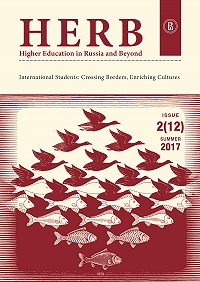
These are some of the questions I address in my new essay on Tajikistan’s international students, out today in Higher Education in Russia & Beyond (HERB).
You can find out more about the survey on which this essay is based in earlier blog posts (in five parts): part 1, part 2, part 3, part 4 and part 5.
As I conclude, studying abroad can be a profoundly transformational experience. Many of the people that participated in the research I am reporting on said they had changed greatly as a result of their experiences.
This feeling is neatly encapsulated by the words of one respondent:
“I am so much [a] different person now than I was back then. Education here has broadened my mind to the things that I had no idea of their existence and as I grow in possessing my knowledge I see the opportunities that I can get, and the things that I can do in my life and with my life. I am [a] much happier person now than I was before.”
This issue of HERB looks holistically at international students across the former Soviet space, and I encourage you to take a look at the other essays in this collection.
Higher Education in Russia & Beyond 2(12) – link to whole issue

 Emma Harden-Wolfson
Leave a reply to Does study abroad lead to democracy in former Soviet countries? « Emma Sabzalieva Cancel reply